
Much debate about how we manage not just Coronavirus, but our response to it.
Do we tell people firmly and clearly what they should and should not do, and impose restrictions – with force if necessary?
Or should we explain the problem and let people decide for themselves how to handle their own risk? Indeed, let them use “common sense”?
There are some who would suggest that their government’s response has been on the wrong side of these two approaches – whichever government you have and whatever their approach has been.
This issue was neatly summarised by Robert Shrimsley in an article in last Weekend’s Financial Times Magazine – and he reminded me of a previous issue with the same broad choices. One which I recall dealing with around 18/19 years ago now when getting to grips with our newly born baby daughter.
At that time my wife Joanna and I came across one of the books which dominated our conversation with friends at the time: Gina Fords Contented Little Baby book. If you are a parent yourself you may have come across it. If you are about to become a parent mention of it will be coming your way. And if you are not a parent but a businessperson anyway – stick with me.

Gina Ford’s book shows how a regimented approach to bringing up baby works very well. I know it did for some people.
Not for us. Maybe I am a terrible parent, or maybe my daughter has just grown up healthily by pure luck. But that approach was not for us. And remember, the title is about Baby: it is about 5% baby and 95% about the parent.
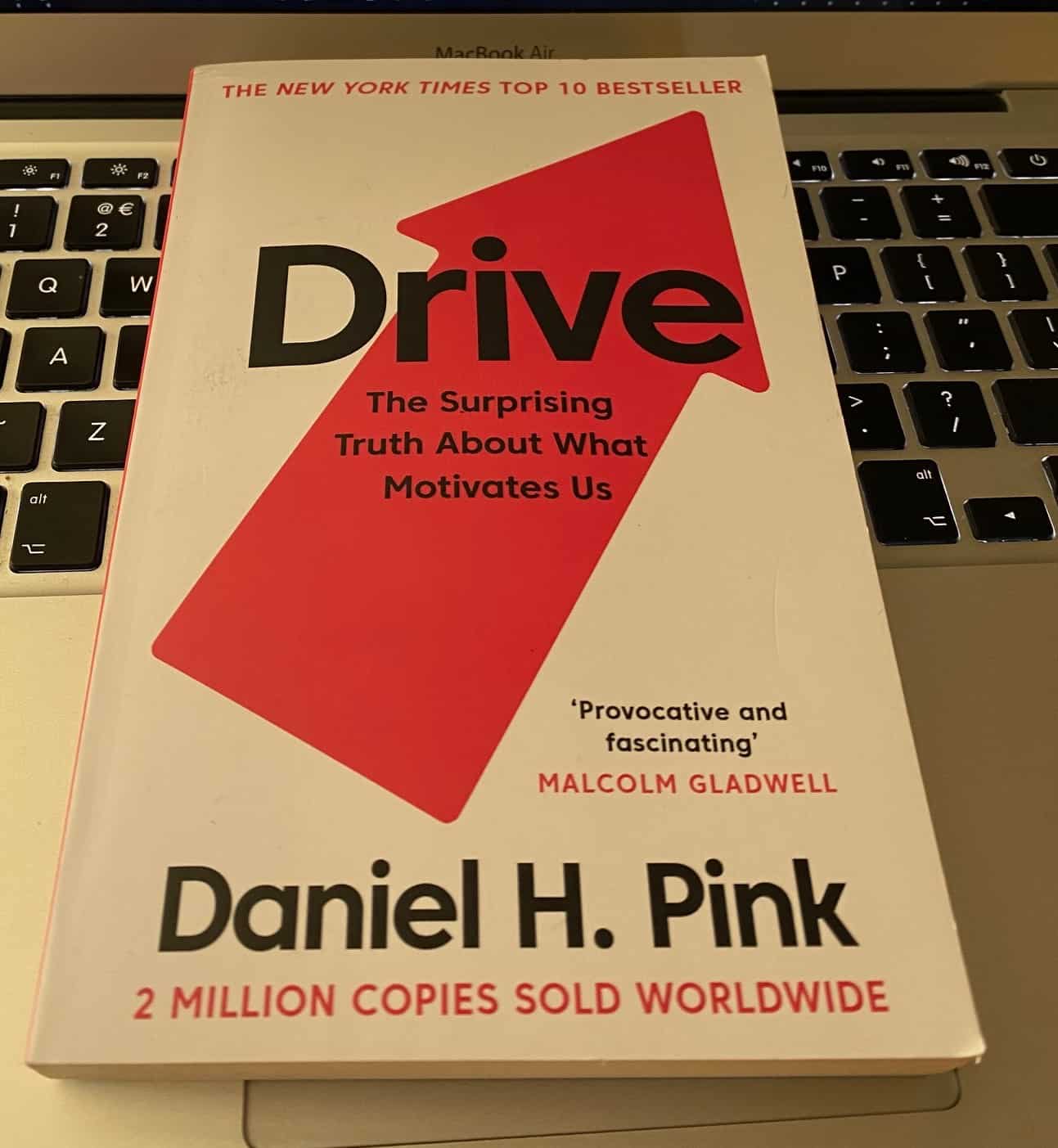
Having recently revisited Daniel Pink’s Drive – the new millennial motivation guide – I am reminded of the same issue again. Douglas MacGregor’s Theory X and Theory Y management styles form the 1950s – it’s the same issue. Theory X suggest people must be told, maybe coerced into working. Theory Y suggests they can be trusted and given autonomy to do their best work.
The right answer? You can see where I was – probably still am – on parenting. If something different works for you then fine.
Coronavirus – and our response? We know the virus cannot be eliminated; we have to live with it. So, we are all risk managers now. But with a worldwide population – and varying governmental drivers – we will probably see both Theory X and Theory Y applied.
When it comes to business, which we will continue with despite Covid 19 – managing our teams may still need elements of both. I guess the real question is not just what will work best, but what each approach says about you as a leader.
Remember: it’s about 5% baby and 95% parent.
Buzzwords of the Week – Accounts Payable
are amounts due to vendors or suppliers for goods or services received that have not yet been paid for. The sum of all outstanding amounts owed to vendors is shown as the accounts payable balance on the company’s balance sheet. Also known as Creditors.
Formula: Accounts Payable x 365
Cost of Sales
Alternate View – Pay your suppliers as late as you can get away with. That’s one philosophy. At least this provides a method of measurement. But the bigger the number the more this says about how you operate – do you want to be seen like a large supermarket which keeps its suppliers waiting? Better to view this alongside your Accounts Receivable to get an idea of how quickly the cash flows in and out of business – then take your view about what this number says about its approach to business relationships.