
In the UK “lockdown” is easing, and as some return to offices and others continue working at home, the financial picture of many businesses is becoming clearer. And the perceptions of what is good and bad in finance are changing.
The focus in business finance since the beginning of March has been on one thing – cash flow. Have you got enough coming in to pay the bills, and the salaries? The UK Government’s scheme for covering staff salaries (up to 80% to £2500/month) is seen as a key driver preventing economic collapse, and has kept companies afloat and employees in employment. So far, so good.
But look at the corporate finance backdrop. Low interest rates since the financial crisis of 2007/2009 have meant a growth in corporate debt. Which is fine until the cashflow disappears as it has for airlines, hospitality, and other industry sectors – even some training companies.
No company has a mission to keep loads of money in the bank – that is not the purpose and many public companies have been returning cash to shareholders via dividends and buy backs. No longer.
Now it is best to have something to pay the bills.
A story may help. Some years ago, I worked with a family Garden Centre business in the UK, which was run by – if I may say so – an aging gentleman, whose name was above the door. With an annual turnover of some £7million it was mainly profitable but not by many definitions a large business.
He kept £5 million in the bank account.
By many rational views of the time, this was seen as wasteful; that money was not working, was not invested in growing the business and not being given to his family to use elsewhere. But the owner said, “this is my insurance”. He had seen a few years of boom and bust.
What was once regarded as “inefficient” is now seen as prescient.
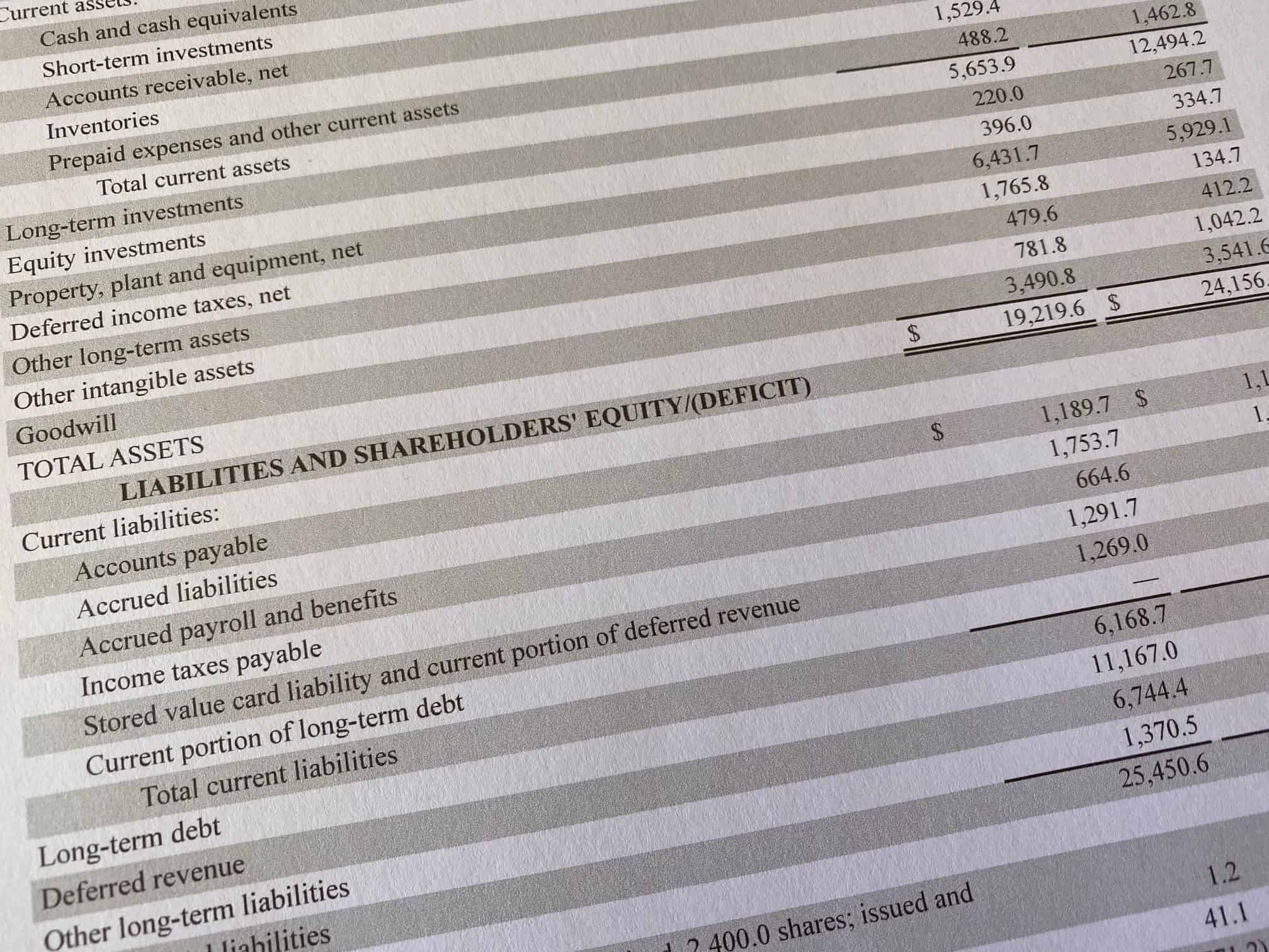
Another view that will change will be about debt levels. Some UK public companies have started raising money from their shareholders (equity) to reduce debt – even as the UK government launches various ways of lending businesses money: CBILs and Bounce Back Loans for example. Nothing wrong with these schemes if they work for your business, but low gearing levels (gearing = debt as a proportion of capital on the balance sheet) will now be seen more positively. And for US commentators, they will be looking at lower debt/EBITDA multiples.
It is not just the numbers that change in business: it is the judgement about those numbers.
This is also reflected in the qualities valued on finance professionals. As Kate Burgess in the Financial Times Lombard column says on 3rd June ” Now boards are talking about new skills to cope with the new normal. They don’t want bosses with grand or expansive plans. They want executives who know how to trim wicks, count cash, build balance sheets and minimise risk.”
Note the irony of government (via banks) lending as never before, while the perception of high debt levels goes into reverse.
Buzzwords of the Week – Short Term Borrowing
Definition – a type of loan that is obtained to support a temporary business need. As it is a type of credit, it involves a borrowed capital amount and interest that needs to be paid by a given due date, which is usually within a year from getting the loan.
Alternate View – shown separately on many balance sheets as the lenders – most frequently banks – will demand repayment very quickly if things get tight, and often secure themselves ahead of other creditors. In the UK will often include the overdraft, a revolving credit based upon drawing more from the bank account than you have in it, and one of the main forms of business finance. Incredibly useful, but for Small Business in the UK the terms of Bounce Back Loans take some beating.