
If you are working right now and doubting whether you are good enough to do it, you are not alone. The concept of Imposter Syndrome gets lots of press these days – today’s Financial Times has an interesting short piece*.
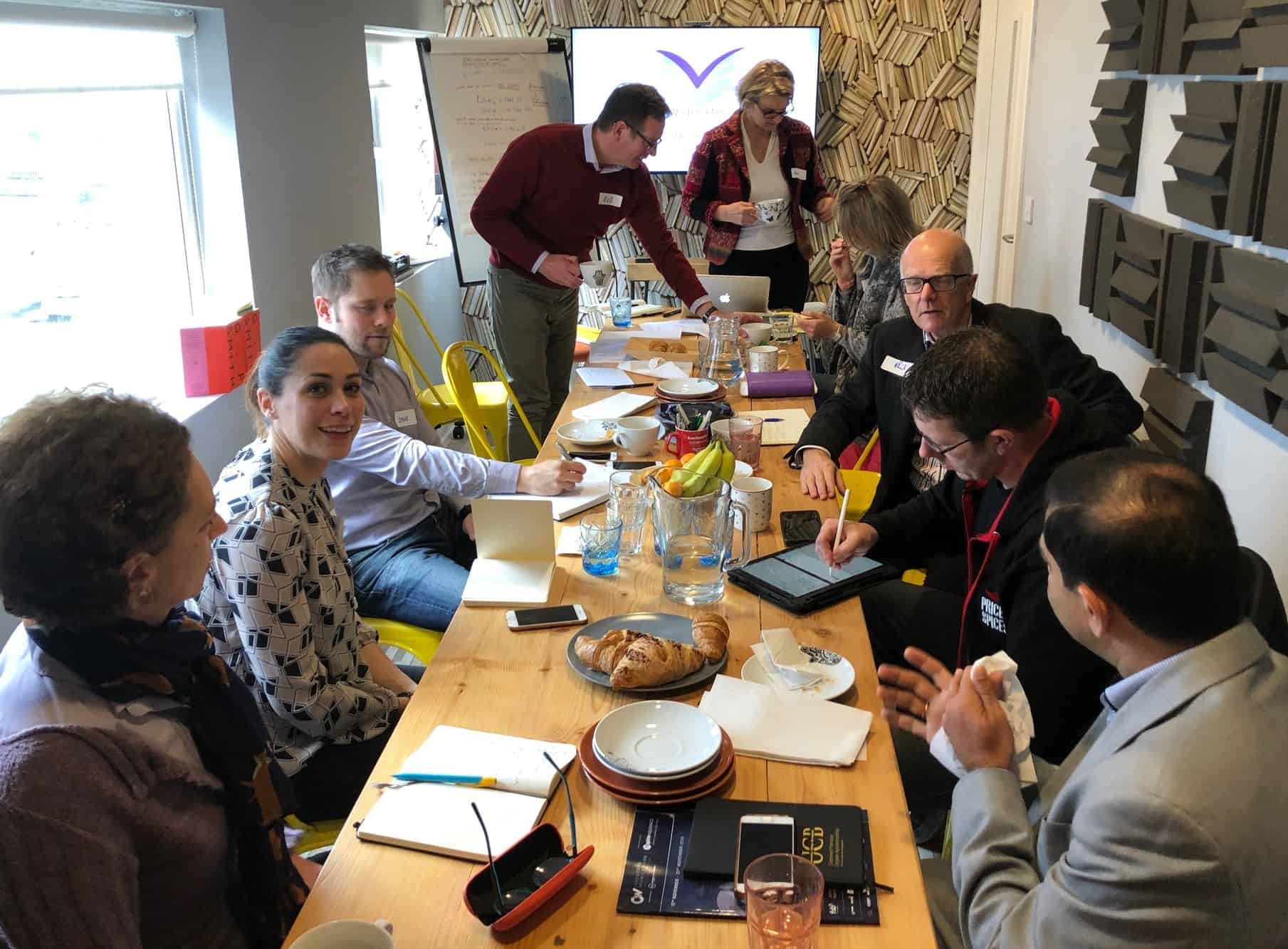
I have met several people over the last week – no names, you know who you are – who have told me about something they have done, successfully, all the while thinking they will get tapped on the shoulder and told they are not good enough. This was also a theme which crossed my mind while in a session on creating a compelling business story, part of the Coventry & Warwickshire Business Festival – above.
There are many better qualified people than me to provide the science and psychological background on this: I provide just an opinion, with all the health and wealth warnings that should go with it.
Many of you will work in areas where there are no limits to how good you can be. There are no limits on how much you can sell, how efficiently you can produce, how great your customer service is, or how creative you can be. Which means that however well you are doing (and you are probably doing very well, right now), you can always get better. The cycle of continuous improvement does not stop.
Yet maybe we confuse this with our feelings about ourselves. Much in today’s world is reminiscent of football management (“You are as good as your last game”) so even when things go well, because we see we can still do better, we may think that means we are not good enough.
Imposters KNOW they are trying to fool someone. Imposter syndrome is different.
Have a good week, I know you can do it better, but that does not mean you are not good enough right now.
I hope you like this thought, even if I doubt you will think it is good enough.
*Incredibly this is in the print edition and not on their website just yet. It’s in a problem solving column written by Jonathan Black. Give it a few days and try searching imposter syndrome on www.ft.com and hope they don’t insist on you taking out a subscription first.
Buzzword of the Week –Capital
Definition – The source of finance for business: from shareholders, retained profit (together making Shareholders Funds, or Equity) and Long-Term Loans
Alternate View – Share capital – from your shareholders- looking increasingly unfashionable this decade. Who needs it? The businesses which need huge amounts of risk taking for vast infrastructure (like railways, steel works, manufacturing) are few and far between. Its all technology now – isn’t it? Share capital for control and debt for finance has been the trend. As long as interest on debt receives tax relief.