
The UK is creating lots of headlines, some of which is about economic performance. By the look of most commentary, a slowdown, or recession is looming, if not already here. The focus of a typical report* is the decline of manufactured goods, and this call is echoed worldwide with talks of trade wars, tariffs and reduced output. Among these reports, the UK remains the world’s 5th largest economy in the world. In global terms, we are rich.
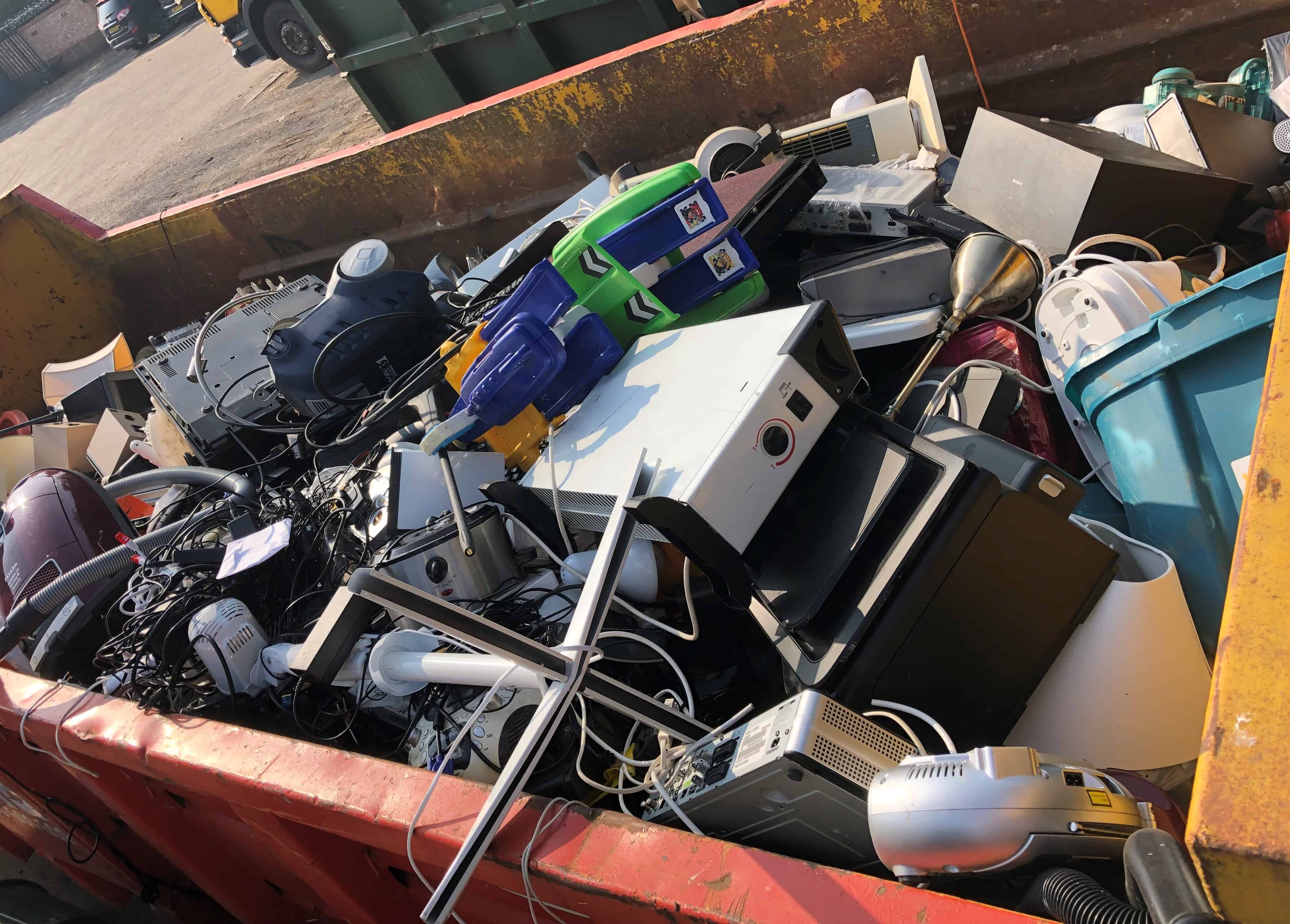
Just how rich can be illustrated by a quick visit to a recycling centre – as I did this week. These used to be called rubbish tips – where we disposed of stuff we no longer want or need. A quick look shows how much stuff we throw out – the skip I looked at was just small electrical appliances. There is also a shop nearby where you can buy the stuff other people have “disposed” of, with proceeds to charity. This – and the recycling – presents huge progress over simply throwing stuff away.
Yet here is my question: could a decline in manufacturing output be linked to us having enough “things”? Maybe we don’t need to keep buying new things when there is a massive choice of pre owned (some even pre loved!). A growing awareness of our impact on the environment may trigger a move to some of the small electricals in the skip being repaired rather than destroyed.
Economic growth does not always have to be driven by more things: services represent a larger share of the economies of richer countries. The challenge for businesses in the present economic climate is being aware not just of the politics and economics which grab the headlines, but underlying social changes. These can be witnessed personally – for example at the Recycling Centre.
The headlines: are things bad or just #firstworldproblems ?
Buzzwords of the Week – Marginal Cost
Definition – the cost added by producing one additional unit of a product or service. For manufacturing, this usually means the cost of additional raw materials, as the overheads (like rent, utilities, marketing costs) will be covered by the sale of units already produced.
Alternate View – For some businesses it is irrelevant. Microsoft has no marginal costs if it sells another download of Office 365, there are no costs in making another copy. Many large manufacturers have huge overheads compared to materials cost, so the cost of producing additional units may be comparatively low. Which means it pays to produce lots and lots. Which end up at a recycling centre, or an ocean near you.