
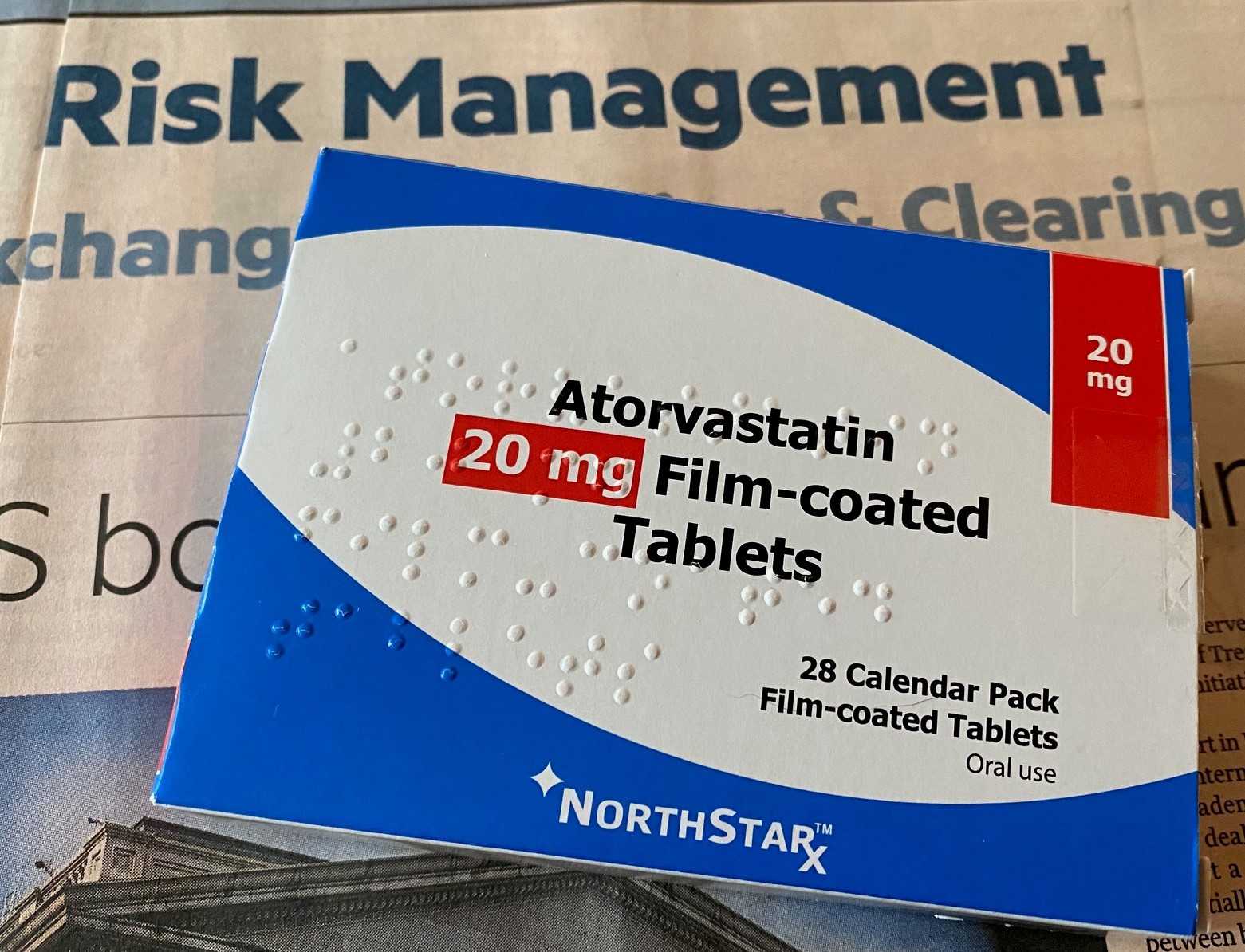
I hope you are well, physically, mentally & spiritually. You may also hope I am well, and I can confirm that I am – and I have the evidence.
Over the last week I have:
- Collected my latest batch of Atorvastatin, prescribed to me to manage my cholesterol level, and prevent heart disease
- Included alongside that was some Vitamin D tablets, as I was found to have low levels some while ago – not uncommon in the cloudy UK. (And if the sun does shine here, we slap on the sun block cream)
- I had my flu jab, to prevent , hopefully, the latest strains of influenzas over the coming winter.
- While I was having that, I was offered my Covid 19 booster vaccine, to prevent (a repeat of) Covid. I said yes: so a needle in each arm and only one trip.
- I received through the post my bowel cancer screening pack, which those of us old enough in the UK are sent free every 2 years. Too revolting to describe, but this helps prevent one of the main cancers among men of my age and older.
- It was also time for an eye test, an annual one as a previous test raised a possible risk of glaucoma. All is OK with that, and the specialist I saw and I will, er, keep an eye on it.
- My GP also responded very promptly to my request to check out a mole which I had not noticed previously. These things can develop into skin cancers, my father had one many years ago, so with that family history I was called in within 48 hours for a closer look. It took the GP about 5 seconds to tell me it was fine, but good to have checked.
With all this going on I still managed to deliver training sessions, some coaching and attend a new business panel.
And I also chatted to my daughter who has just discovered she is paying National Insurance, which was deducted from her salary, seemingly without warning.
For my non-UK readers – National Insurance is a two-word phrase which means Tax. It was originally introduced to pay for the UK’s National Health Service and other elements of what was once described as the ‘welfare state’. My daughter asked me what the £8.64 or so she paid was being spent on: I gave her the straight answer – me.
This last week has been unusually busy with my health, so not typical. Next week my daughter’s NI will cover something else (or more likely still be paying for me for last week).
Have you noticed the common factor in my list of events above?
It is all preventative. I am not ill; I am in good shape and I feel fine – even if the flu/covid combination did take some of the wind from my sails for the following 24 hours.
So what is the Return on Investment for all that state expenditure on me (though funded by my daughter, and perhaps you too)?
While I do not have the relevant detailed numbers from the NHS accountants, we can be certain that the costs of treating just one ‘event’ or health issue would be thousands of pounds, possibly tens of thousands.
I reflected on what my health prevention would cost in a country without a healthcare system like the UKs – the USA most obviously. Let alone the costs of a health issue which arises because you have not done the preventative stuff.
Then there is the cost in lost time of being ill, especially with a serious issue. One that will hurt even more if you knew deep down it could have been prevented. Ouch.
That is not to ignore the human cost of poor health either – even if I find it easier to talk about the financial part.
This is all part of ‘sharpening the saw’ – a term from Stephen Covey’s 1980s book ‘The Seven Habits of Highly Effective People’.
We routinely have our automobiles serviced and carry out preventative maintenance of our houses and other assets. I even pumped up the tyres on my bicycle. As Stephen Covey used to say – are you so busy driving you don’t have time to fill up with gas?
Two contemporary words which can be mentioned here are sustainability and wellbeing. In the aftermath of the Glasgow COP26 meeting sustainability has been in our heads and headlines all last week, and quite rightly we need to reduce fossil fuel use. Yet sustainability includes all aspects of health & wellbeing – something we individually have to plan, act on and work at.
What have you planned this week for your own sustainability? How do the numbers stack up?
Let alone the consequences beyond the mere financial.
Buzzword of the Week – Zero Based Budgeting
Definition – A method of budgeting where all expenses must be justified for each new period. The process starts from a “zero base,” and every element in an organization is analyzed for its needs and costs. The budgets are then built around only what is needed for the upcoming period, regardless of whether it is higher or lower than the previous one.
Alternate View – Sometimes you have no choice but to start a budget with a clean sheet – startups, or business crises like pandemics. ZBB has proved popular with cost cutters like private equity owners did with Kraft/Heinz, but this approach only works for so long: prolonged reductions in expenditure will eventually starve a business. You can prepare a Zero Based Budget, but you cannot run on zero cost.
Coming Up…
For BIPC Worcestershire I am running another free webinar on Writing a Business Plan – one you can actually use. Part 1 is next Monday 22nd at 11am https://www.eventbrite.co.uk/e/writing-a-business-plan-pt1-registration-192706439147?aff=ebdsoporgprofile
CIPD L&D and the future of work: varied discussion about future trends in learning & development, November 23rd https://www.eventbrite.co.uk/e/leading-change-through-learning-development-tickets-187876763457?aff=ebdsoporgprofile