
What is your definition of vulnerability?
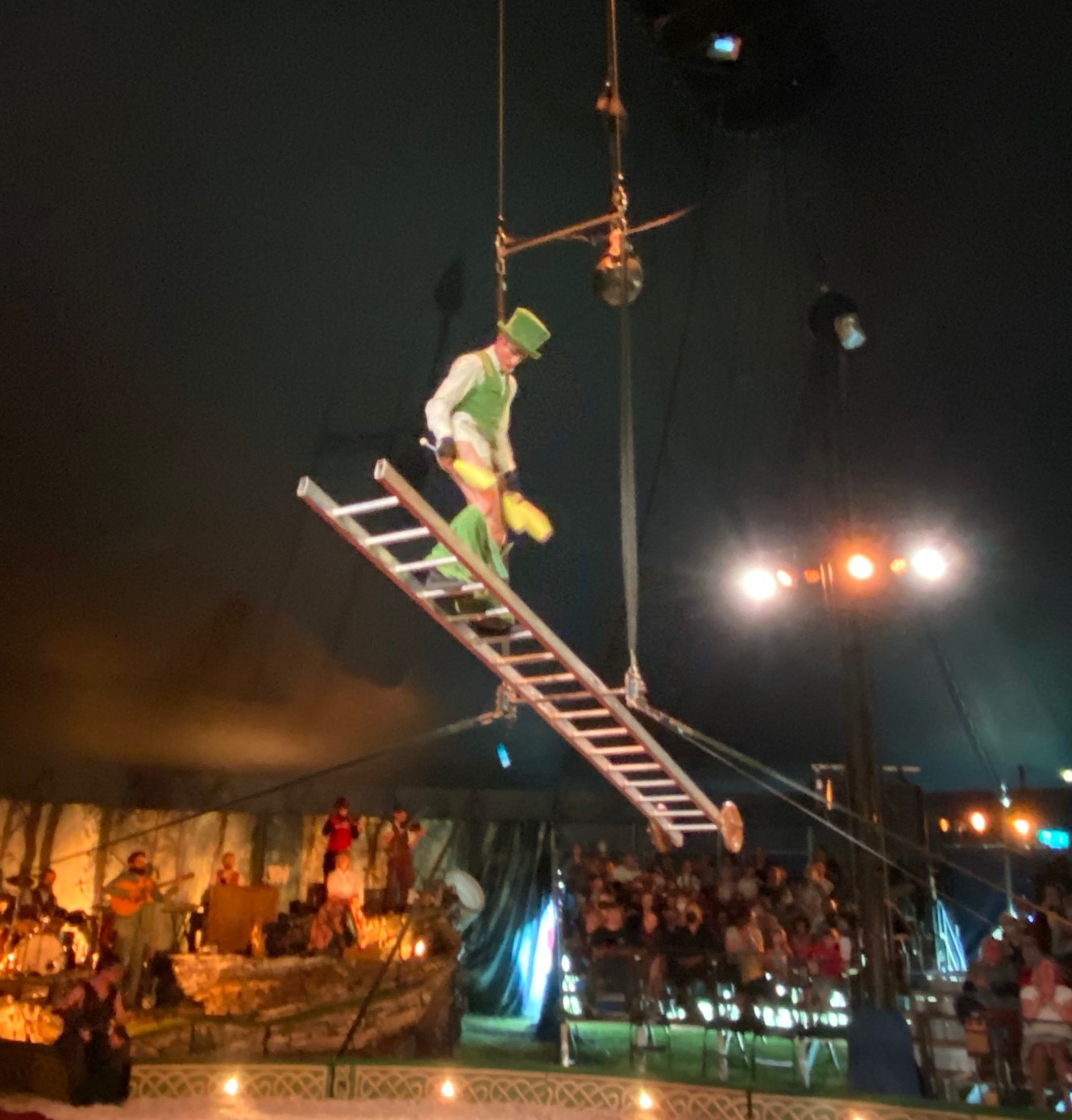
I would definitely feel vulnerable stood on a ladder, see sawing 10 ft off the ground while juggling in front of 475 people.
And if it really was me doing it, the audience would feel vulnerable too.
I have been working on vulnerability this week in a different context: training bank managers and officers on handling conversation with customers in financial difficulty – what the Financial Conduct Authority (the UK Financial Services regulator) calls vulnerable customers.
As you would expect from a regulator, they have a definition of vulnerability:
“customers who, due to their personal circumstances, are especially susceptible to harm, particularly when a firm is not acting with appropriate levels of care.”
They also add this useful rider:
“Firms should think about vulnerability as a spectrum of risk”
They use 4 drivers which characterise financial vulnerability:
- Health–health conditions or illnesses that affect ability to carry out day-to-day tasks.
- Life events – life events such as bereavement, job loss or relationship breakdown.
- Resilience – low ability to withstand financial or emotional shocks
- Capability–low knowledge of financial matters or low confidence in managing money(financial capability). Low capability in other relevant areas such as literacy or digital skills.
I share this with you to provoke thought, in particular to ask you a question:
In the UK, how many people are financially vulnerable?
For a clue, some of the people in the bank I was working with this week thought it could be somewhere between 5 -15% of their customer base. After all, the FCA says there is a spectrum of risk.
The answer to this question – as you read this – is of course, we don’t know.
However the FCA’s Financial Lives Survey from October 2020 “shows that between March and October 2020, the number of adults with characteristics of vulnerability increased by 3.7 million to 27.7 million. A 15% increase on the February figure, this takes the overall proportion to 53% of all adults”
In short – most people.
Have things drastically improved for so many since last October? I hope so but await updated figures from the FCA. We know there is an economic recovery, but this is going at different speeds in different sectors. If you are working in automotive sales right now, you will be very busy, even if handling customer enquiries about cars you cannot yet deliver because of a chip shortage. Yet if you are in aviation, it is still nothing like 2019. Indeed, it will not be.
Here’s an option when things seem like they are getting to much: run away and join the circus.
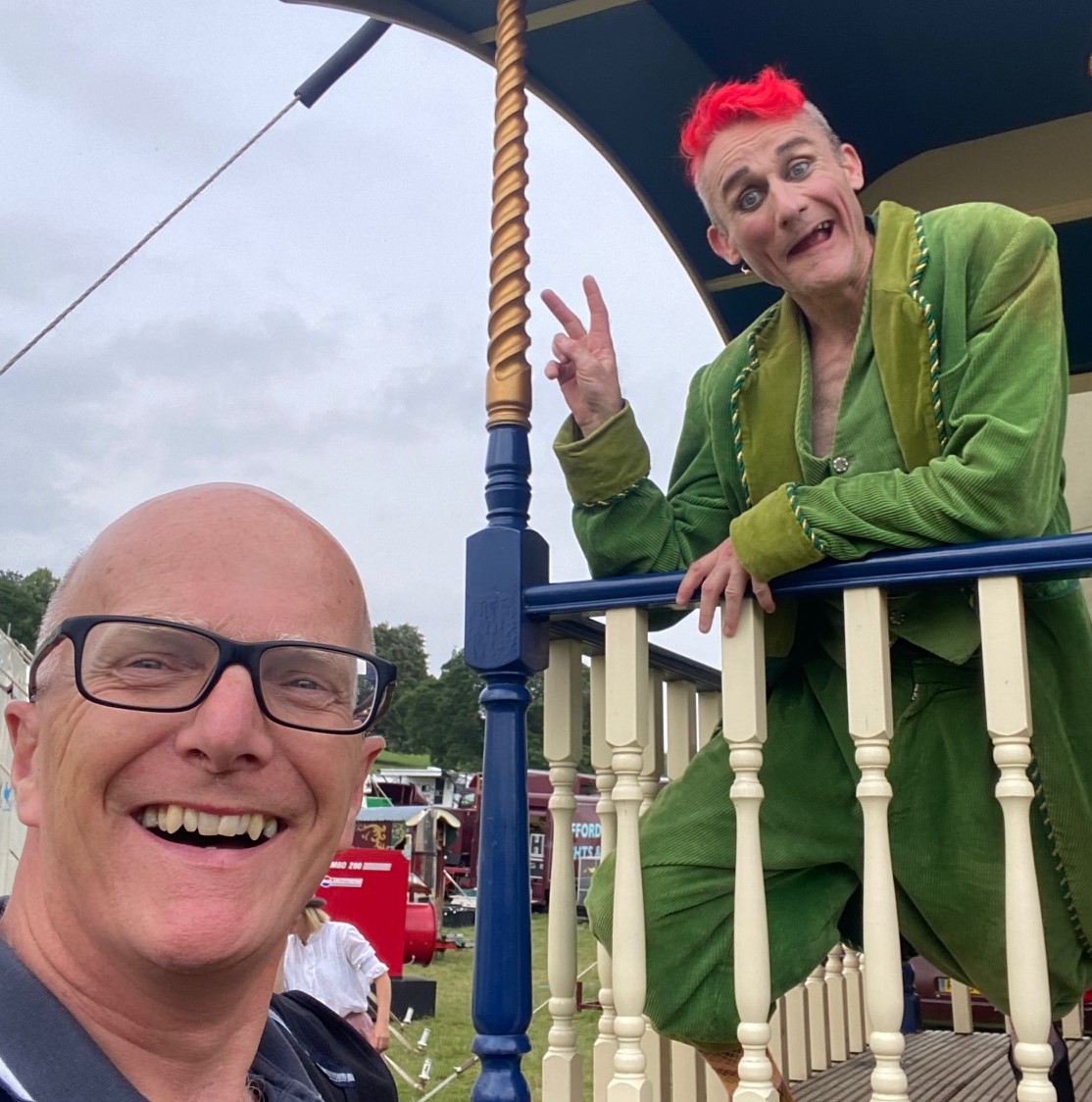
If I was considering that, there is only one circus I would go to: Giffords, founded by the late Nell Gifford. This is where I witnessed last weekend Tweedy the clown doing his ladder juggling (while cracking jokes) with no such signs of vulnerability. But then he does practice – and I watched their third show that day, the 9th of the week. They have been on tour for 9 weeks now. They work really hard.

Vulnerability for them does not come when in front of a crowd -which they can now do once again. But they are still vulnerable – when booking tickets, you are invited to make an extra donation. 2020 nearly finished them – and many others in the arts sector. If your want to have a peep at financial vulnerability, check their balance sheet. They are solvent, and legal, but the contrast between 2019 and 2020 is stark.
Vulnerability then is all around us: it could even be you. If so, I hope you get the support and patience you deserve. Forbearance is the word used in financial services. That’s fine – but it needs a shot of human empathy too.
If you are not vulnerable – well done, keep it up.
It’s your duty to look out for those who are.
By the way: Giffords is not a traditional circus in that there are, and never have been, wild animals or clowns from horror movies. There are horses, dogs and doves, and all are well cared for. Tweedy the clown is truly unique: he even talks to other clowns…
https://giffordscircus.com/about-giffords/
Buzzwords of the Week – Limited Liability
Definition – Company shareholders liability is to the amount they have paid for their shares, if the shares are fully paid. In return a company accepts obligations like publishing audited accounts. A limited company is also, under UK law, a separate legal entity.
Alternate View – This principle could be viewed as the cornerstone of the market economy, which has driven economic growth since the turn of the last century. For a minority, it is a way of carefully evading their moral responsibilities, by letting the separate legal entity go ‘bust’, while starting another one. We have yet to find a way of gaining the benefits of the former without the issues and failures of the latter. We should keep trying.
Coming Up…
Online Learning – my online finance programme – How to Read Financial Statements. This is a series of 7 online lessons:
- How finance fits with Strategy
- The Language of finance
- Owning & Owing – using the Balance Sheet
- Measuring & Managing Profit
- Measuring & Managing Liquidity
- Budgets, what, why & how
- The most important part of all
Each last between 20 & 40 minutes and includes the slides and videos to help you understand what good looks like in financial terms.
For more details and to sign up now: https://mailchi.mp/92ada0829df3/htrfs-v2