
To my friends and readers across the Gulf and Middle East – I mention gambling, but I am definitely not advocating it. This is about something that affects every business.
“I don’t understand probability theory” was my wife’s response to a snippet from a magazine article. The Financial Times interviewed Dapper Dan, ‘the father of logomania’ and among other things, he said, “One of the most misunderstood words ever to be printed in the dictionary is ‘gamble’. A lot of people take gambling as a game of chance, but it’s based on the law of probability – and hence my wife’s question.
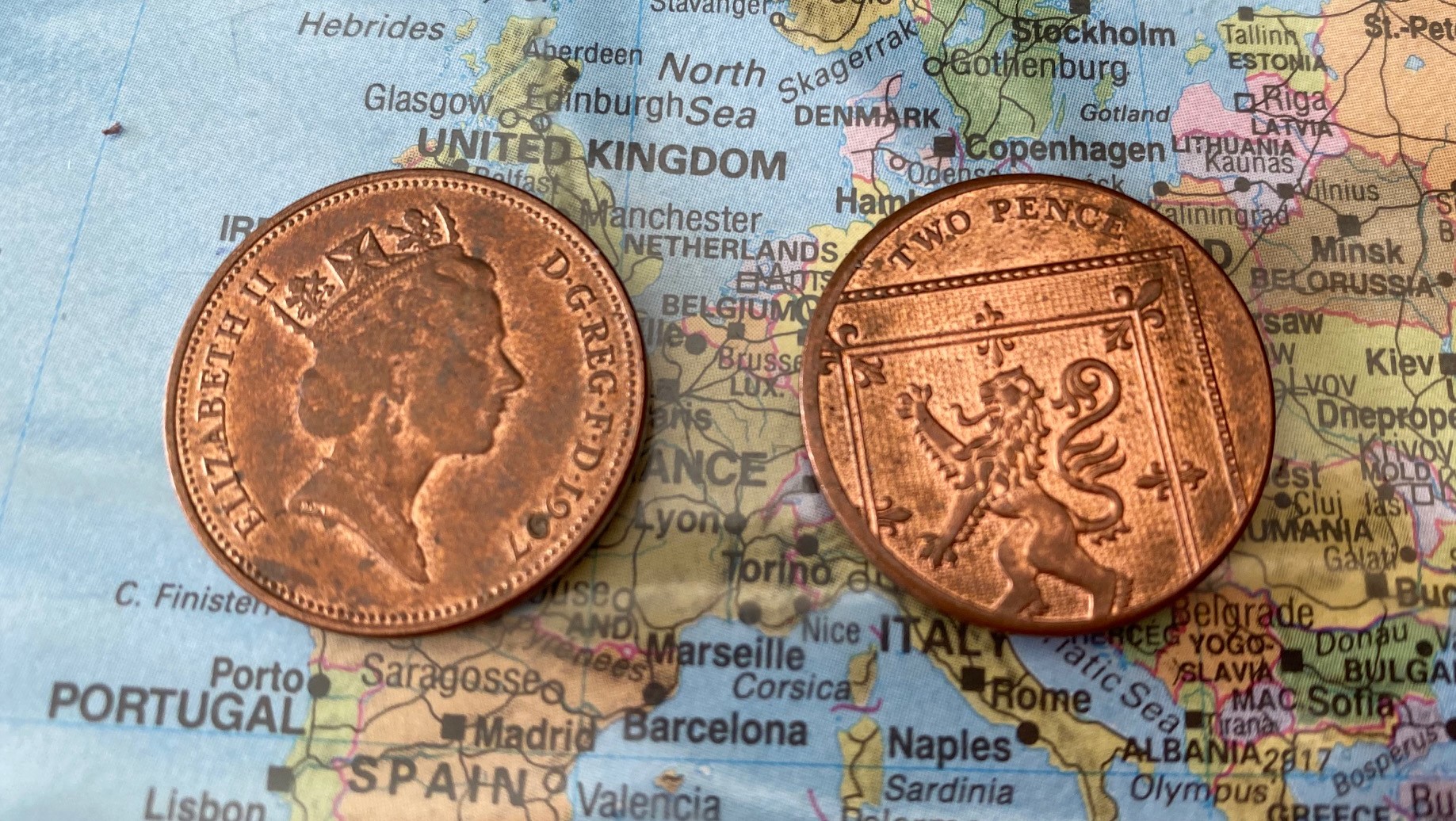
I think we all understand the law of probability, even if we do not give it that label. Here is how I demonstrated it – with a coin, one of the few I could find in our house.
“Heads or tails?” I asked my wife – who called heads. It fell tails.
“What are your chances of getting it right next time?” I asked. We eventually settled on 1 chance in 2.
We had another go, she called heads again, and again it fell tails.
We repeated the process, with my wife keenly sticking to heads, knowing she has a 1 in 2 chance, and thinking it must happen this time. The coin eventually fell with the head side up on the fifth attempt.
This is the law of probability in action. You know what the possible outcomes are, and you pick one. Depending on the number of outcomes, you know what your chances are – at least if each outcome has the same chance – a coin has 2 sides, a dice has 6.
In business, it gets slightly more complicated, because you may be faced with a number of different outcomes, but each outcome does not have the same chance of happening. This is risk management and is also where judgement comes in. One outcome may have a 50% chance, you think – and another 20%, one other 30%. But at least the percentages give you something to base a judgement on.
The more you look at this, the more you see probability theory occurring all around you.
- Will your meeting start on time?
- Will it rain today? The BBC’s weather forecast offers a probability in percentages. As I write the probability is given as 9%. The reality is 100%.
- Will my car start first time?
- Will my latest project deliver what it promises in the chosen timeframe?
- Will our IT systems still be functioning as they should by the end of the day?
I had a client meeting this week: the probable outcomes were that either they would buy one of my training programmes, they would buy it later, or they would not. Seemed like 1 chance in 3. But at least I could influence the outcome, not just letting a coin fall.
They bought the programme. What were the chances of that?
You will be making decisions this week – consider the possible outcomes first, look at what you can control, or influence, then you can make more effective decisions.
If you neither control nor influence, you are leaving it to chance.
Should you like to read about the Dapper Dan Interview: https://www.ft.com/content/713315de-9bf6-4576-baa6-d0cd3d77fc0d
For amusement, check the BBC weather forecast for your location, then look outside. https://www.bbc.co.uk/weather
Buzzword of the Week – Zero Based Budgeting
Definition – A method of budgeting where all expenses must be justified for each new period. The process starts from a “zero base,” and every element in an organization is analyzed for its needs and costs. The budgets are then built around only what is needed for the upcoming period, regardless of whether it is higher or lower than the previous one.
Alternate View – Sometimes you have no choice but to start a budget with a clean sheet – startups, or business crises like pandemics. ZBB has proved popular with cost-cutters like private equity owners did with Kraft/Heinz, but this approach only works for so long: prolonged reductions in expenditure will eventually starve a business. You can prepare a Zero-Based Budget, but you cannot run on zero cost.
Coming Up…
7 Steps to Start-Up – my joint venture with Rob Harrison and Glued: now on Tuesday 12th October 10.00 am