
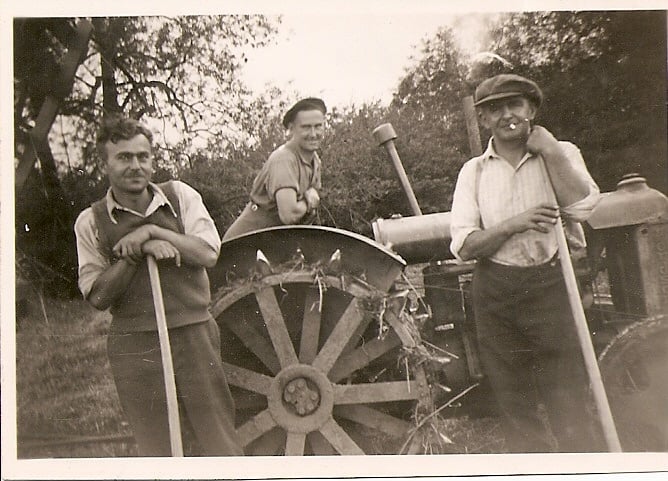
Here is a picture of my father, grandfather and Uncle John in their working environment. The 1940s I think, before Health & Safety legislation.
The Post covid landscape will change for us all.
No one knows exactly what the future will look like. Yet the trends are clear about what will be driving the look our physical environments once the world is vaccinated sufficiently for healthcare system to be able to cope with Covid 19. The virus will not disappear but mutate, but our experiences of the last 12 months will have lasting yet gently evolving effects on the spaces we live and work in.
Signs for the future are in this week’s news:
• Retail – John Lewis in the UK closing another 8 stores. 8 is not many, but from an original portfolio of 49, that is a sizeable reduction. I recall asking then Chairman Charlie Mayfield some 4 years ago about his views on retail. He answered, “The UK is about 1/3 over shopped” We are now going beyond that. John Lewis is now doing around 60% of its sales online.
• Offices: Nationwide offers its 13500 staff the opportunity to WFA (Work from Anywhere).
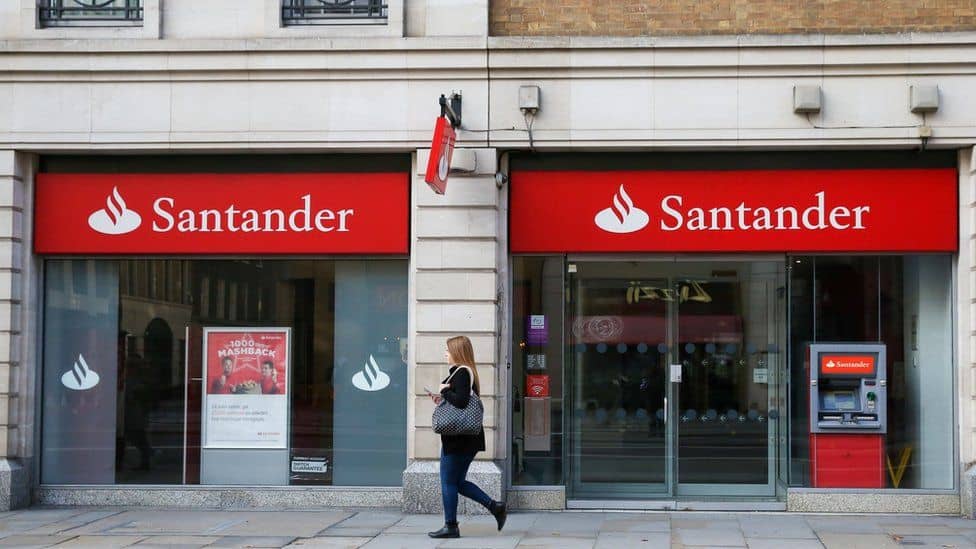
• Banks: Santander maintains branch closure momentum with another 111 closures – one fifth of their network. Bank branches are looking like historical oddities when we do the majority of our banking online. Some of Santander’s newer competitors do not have branches at all, like Monzo & Starling Bank.
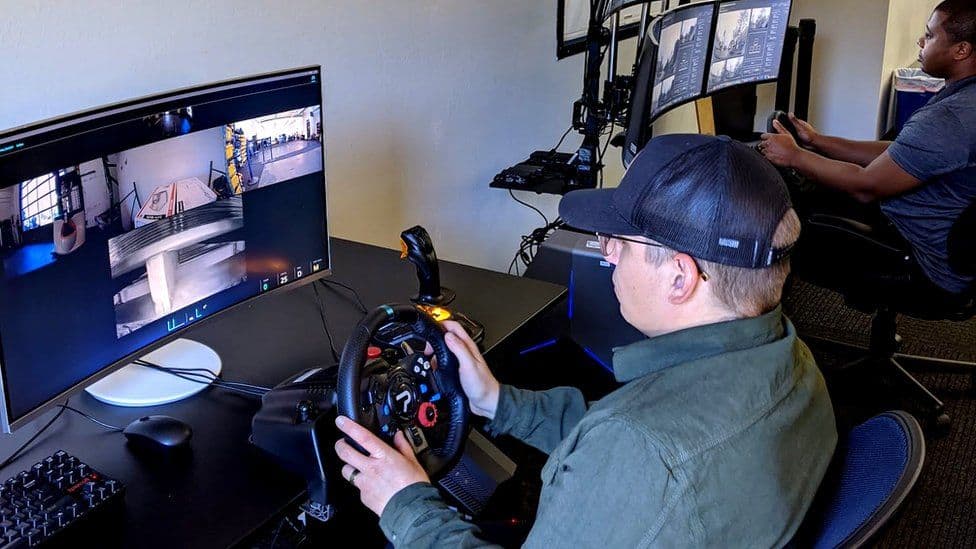
• Factories: full of robots. Our cars and phones have been assembled by robots for years. We now have warehouses where materials handling is done with a driver – but the driver is sat at a computer. Which presumably does not even have to be in the warehouse.
• Car Buying: Volvo report 10% of their sales are now online.(Autocar Magazine)
• Entertainment: Netflix, Disney+ and other channels bring entertainment into your home.
• Making entertainment: we are all broadcasters now, with actors using green screens and elaborate sets being created by CGI. Over the last year, filming while social distancing has been possible using ‘body doubles’ from within an actors ‘bubble’. That scene with an intimate kiss may not involve the same actors who are doing the dialogue! It may be the actor and their life partner.
• Places of Worship – in the UK some make fine vaccination Centres. But worship has moved online. Not sure about the data on this though: civil ceremonies like weddings and funerals have had restricted numbers.
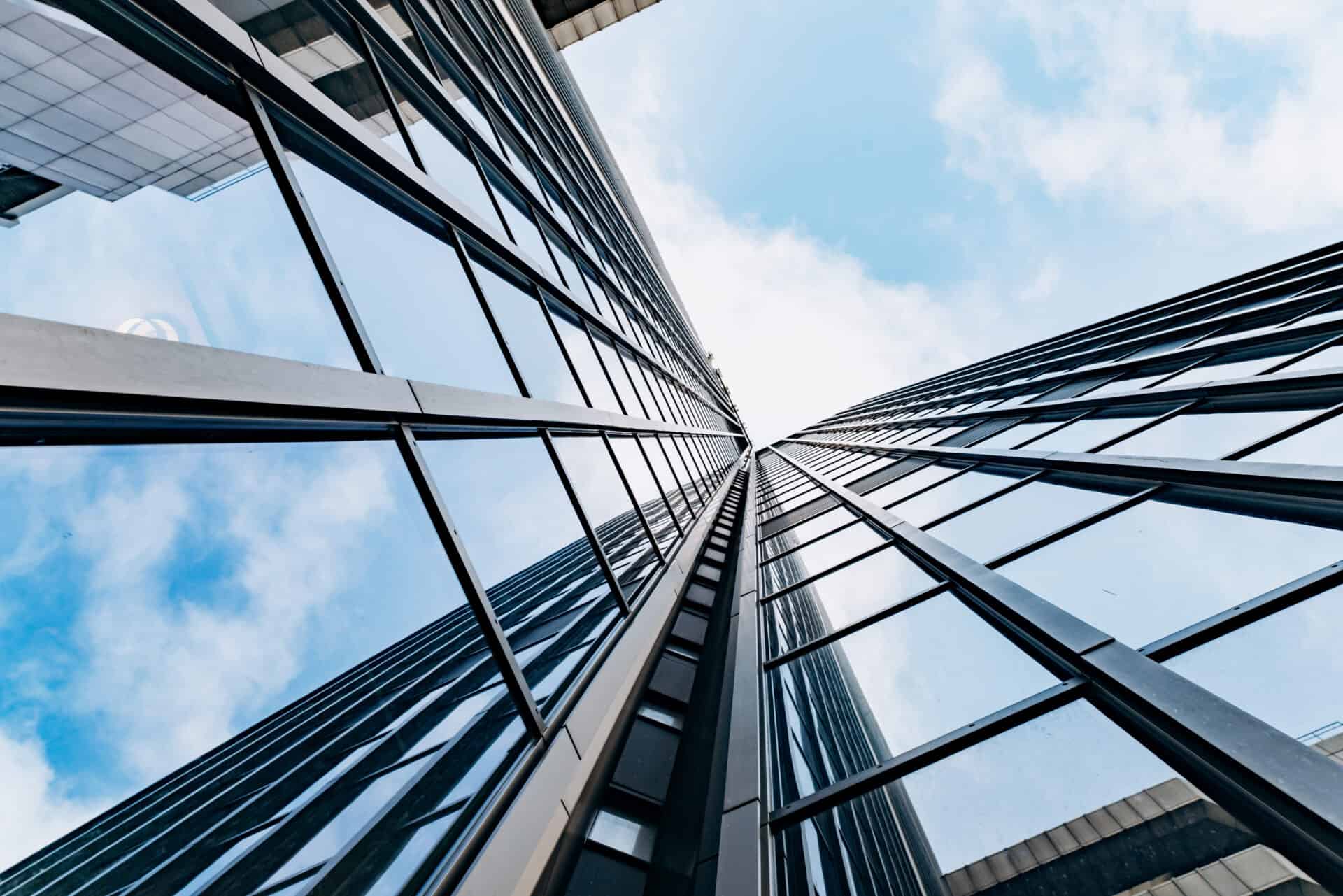
• Skyscrapers: look fab on Instagram – but will you still want to get into an elevator if you are not sure who has and has not been vaccinated?
• Conferences & Exhibitions: I have been online with Coventry & Warwickshire Chamber of Commerce this week at their Business Expo. It is not the same as being there in person, but it is quicker and takes less energy to attend.
• House/apartments/flats – the places where we live. I am fortunate to have an office in my garden. Millions of other are adapting to WFH, or living at work, depending on your point of view. Demand for flats in the UK has decreased, demand for houses with gardens has increased. Some reports suggest around 700,000 migrants, mainly from Europe, have left London.
Having seen my (incomplete) list – how are you feeling about this? What picture does it paint of a future with much less need for shared space, large buildings, and going places, possibly by public transport?
Will our future consist of us all sat at home (in a defined workspace maybe, but still at home), just selling each other stuff on the internet?
That feels grim.
Which probably means that not all this will come to pass.
But it does show that a reason we want to go places to do things is because as social animals we derive meaning and purpose from our physical interactions. We will still need places to facilitate those: parks, malls, theatres, offices, conference halls.
It used to be the case that we needed these places because that was how we would deliver and receive value. Our spaces will still need to do that but will evolve to fulfill other more emotional humans needs. That will change the Return on Investment equation.
My tennis club re-opens this weekend. Playing tennis via computer is not the same as standing on the court, preparing to serve. One day soon, we may even shake hands again after the match – not because we need to, but because we want to.
I read more than just the BBC, but these are accessible ways of seeing what is happening:
https://www.bbc.co.uk/news/business-56510574 Nationwide ‘WFA’
https://www.bbc.co.uk/news/business-56522428 Santander branch closures
https://www.bbc.co.uk/news/business-56511374 John Lewis shop closures
https://www.bbc.co.uk/news/business-54431056 Driving forklift trucks from a desk.
https://www.volvocars.com/uk/care-by-volvo/ If you want a Volvo
Buzzwords of the Week – Free Cash Flow
Definition – the cash generated after accounting for cash outflows to support operations and maintain its capital assets. Unlike operating profit or net income, free cash flow measures profitability excluding non-cash expenses of the income statement but includes spending on equipment and assets as well as changes in working capital from the balance sheet. FCF to the firm is before Interest Payments, FCF to Equity after Interest.
Alternate View – Great idea, and better than EBITDA according to some, including Warren Buffett. But plagued by multiple definitions: different organisation will tweak their definition either to reflect the nuances of their business, or just because it suits them. You have to check who is defining it and ensure they are consistent before using it as a benchmark. And it is definitely not ‘free’. Personally, I stick to Net Earnings less Capital Expenditure net of Depreciation.
Small Businesses in Worcestershire – I will shortly be presenting a series of webinars and coaching session for Worcestershire BIPC in association with Rob Harrison at Glued. The programme is 4 webinars on business models, marketing, finance and business plans, plus every participant gets two hours of coaching from Rob & me too. It’s called Reset:Restart and the funding means this is free for businesses under 3 years old in Worcestershire who are starting up or recovering from the pandemic. Check eligibility and sign up at https://www.eventbrite.co.uk/e/from-good-ideas-to-good-business-the-business-model-canvas-1-of-4-tickets-143285269097?aff=ebdssbonlinesearch
Not yet heard of Clubhouse? It’s a new audio only iPhone only networking and discussion app. It is either the Next Big Thing, or a total black hole of time and digital space. I am aiming to contribute to the former.
Online Learning – my online finance programme – How to Read Financial Statements. This is a series of 7 online lessons:
1. How finance fits with Strategy
2. The Language of finance
3. Owning & Owing – using the Balance Sheet
4. Measuring & Managing Profit
5. Measuring & Managing Liquidity
6. Budgets, what, why & how
7. The most important part of all
Each last between 20 & 40 minutes and includes the slides and videos to help you understand what good looks like in financial terms.
This is now hosted on Vimeo – email me if you would like to learn more.