
“There are six main areas that can lead to work-related stress if they are not managed properly. These are: demands, control, support, relationships, role and change.
For example, employees may say that they:
are not able to cope with the demands of their jobs
are unable to control the way they do their work
don’t receive enough information and support
are having trouble with relationships at work, or are being bullied
don’t fully understand their role and responsibilities
are not engaged when a business is undergoing change”
I have not made this up – this is straight quote from the UK’s Health & Safety Executive. Two things that struck me about this. Firstly, this is not the list of what I would have guessed were the causes. I can see how these relate to the number one reason people leave their jobs – their relationship with their line manager – and I would have maybe put in some outside work reasons too. Secondly, how much of this relates to information, how it is shared, and how managers use ( or maybe misuse) it.
My interest in reducing stress is somewhat accidental. Reducing workplace stress is highly desirable, in some places essential. But I came to this from a different angle: finance.
This months Work Magazine from the CIPD had a short headline tucked away on a back page – Open Budgets mean Happier Employees. That word budget caught my eye, much as the same word causes others to look away quickly.
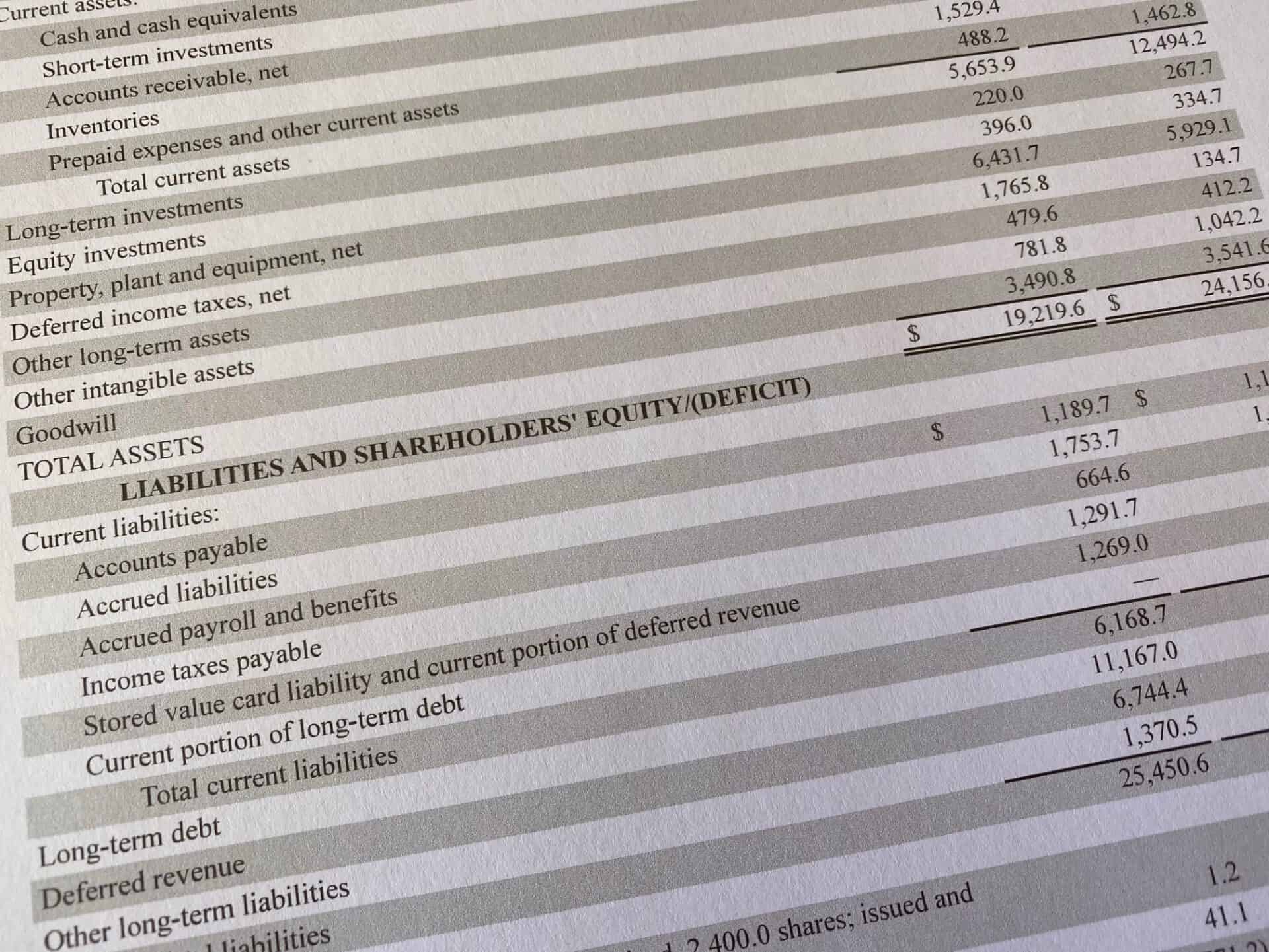
Recent research by Hui Zheng,Jacob Tarrance and Vincent Roscigno from Ohio State University used data from the UK’s Workplace Employment Relations Study to see how people become stressed because of their job. They then looked at how well managers did at keeping staff informed about financial matters: budgets, profits and so on.
Their conclusions: employees at companies with higher levels of financial disclosure had stress levels some 15% lower than companies with lower levels of disclosure. What is important here is not financial transparency: it is about the impact of this on how employees are feeling.
They also mention that employees without collective bargaining arrangements may feel even more stressed, because they cannot rely on a union to look after their interests.
My response to this was to think: why would you not disclose financial information then?
This is where there is a golden opportunity for further academic research, but for now here are my views based on experiences of working with employees to help them understand finance.
In no particular order:
• Some finance professionals like to retain power by knowing things others do not. This means they are reluctant to share information, or keep that information impenetrable.
• The huge amount of financial jargon (EBITDA, leverage, working capital….I have a whole glossary) helps keep things obscure. Even more obscure if the finance people use it and others do not understand it.
• Employees tell themselves they don’t understand. Sometimes they are right – but they can learn.
• The finance side of business is discussed in news and social media, but often only in headline form – and those headlines are designed to cause fear/anger/worry – or enough to keep eyes on the page. Not everyone is like me and reads the Financial Times every day – wow!
• Employees and contractors think finance is boring. I say numbers on a spreadsheet are boring, seeing money arrive in your bank account on the stated day of the month is not.
• Some businesses are ashamed of their financial performance: either because it is felt to be poor (which may worry employees) or because it is so good, the shareholders and management are rewarded disproportionately. (so shareholders and management feel uncomfortable, even if financially comfortable)
• Some organisations are financially transparent but their employees do not want to know. This goes back to research for a Harvard Business Review article in 2009: some 2/3 of managers in a typical management meeting will stay quiet when finance is discussed – they do not want to appear ignorant. This is also why they do not ask questions about finance.
There is a huge amount of bias around this, even if we started from academic research. Not least my own bias, which is not all unconscious.
I make understanding finance easier so of course I will be keen to find out more when I see an article about financial transparency. For me transparency is the route to making undeirnatning finance easier.
What I learned this week though was that I am also in the business of reducing workplace stress.
https://www.hse.gov.uk/stress/causes.htm
https://www.sciencedirect.com/science/article/abs/pii/S0049089X21000028?via%3Dihub#!
https://www.wers2011.info/home
Buzzwords of the Week – Strategy
Definition – ‘Shaping the future’ Max McKeown The Strategy Book
‘The Plans, choices & decisions used to guide a company to greater profitability and success’ The Economist Guide to Business Strategy
‘the direction and scope of an organisation over the long term’ Exploring Corporate Strategy , Johnson & Scholes
Alternate View – How many definitions would you like? There is more talk about this topic than almost any other in business – and more rubbish and management speak too. Do you need strategy? However you define it, some idea of where you want to go, and how you will get there is, I suggest, A Good Thing.
Connect with me.
Small Businesses in Worcestershire – I will shortly be presenting a series of webinars and coaching session for Worcestershire BIPC in association with Rob Harrison at Glued. The programme is 4 webinarson business models, marketing, finance and business plans, plus every participants gets two hours of coaching from Rob & myself too. It’s called Reset:Restart and the funding means this is free for businesses under 3 years old in Worcestershire who are starting up or recovering from the pandemic. Check eligibility and sign up at https://www.eventbrite.co.uk/e/from-good-ideas-to-good-business-the-business-model-canvas-1-of-4-tickets-143285269097?aff=ebdssbonlinesearch
Not yet heard of Clubhouse? It’s a new audio only iPhone only networking and discussion app. It is either the Next Big Thing, or a total black hole of time and digital space. I am aiming to contribute to the former.
Online Learning – my online finance programme – How to Read Financial Statements. This is a series of 7 online lessons:
1. How finance fits with Strategy
2. The Language of finance
3. Owning & Owing – using the Balance Sheet
4. Measuring & Managing Profit
5. Measuring & Managing Liquidity
6. Budgets, what, why & how
7. The most important part of all
Each last between 20 & 40 minutes and includes the slides and videos to help you understand what good looks like in financial terms.
This is now hosted on Vimeo – email me if you would like to learn more.